Why Every Chimney Needs a Chimney Cap
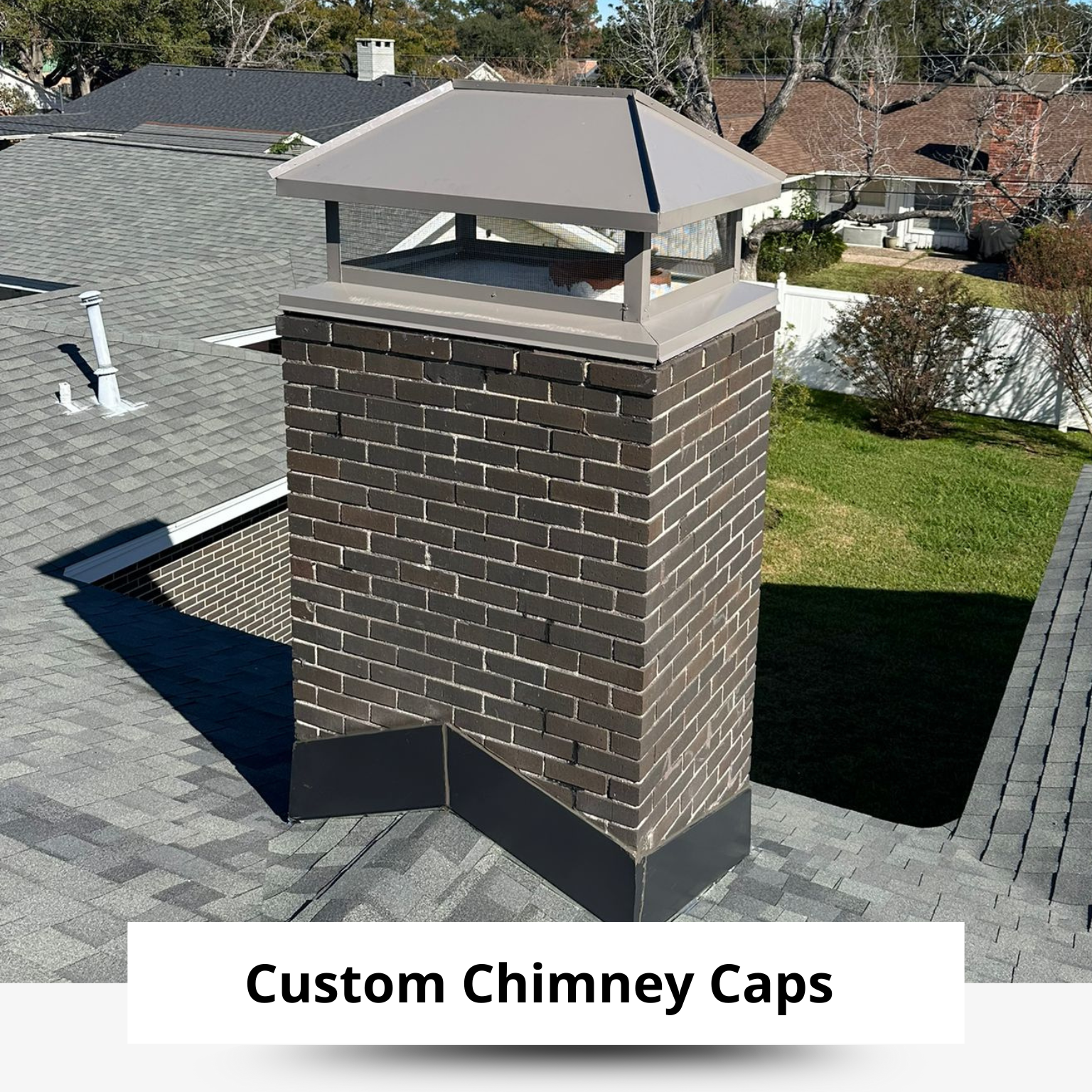
Look up at your chimney right now. Do you see a metal cover on top? If not, your chimney is essentially an open hole in your roof—and that invites a world of problems into your home.
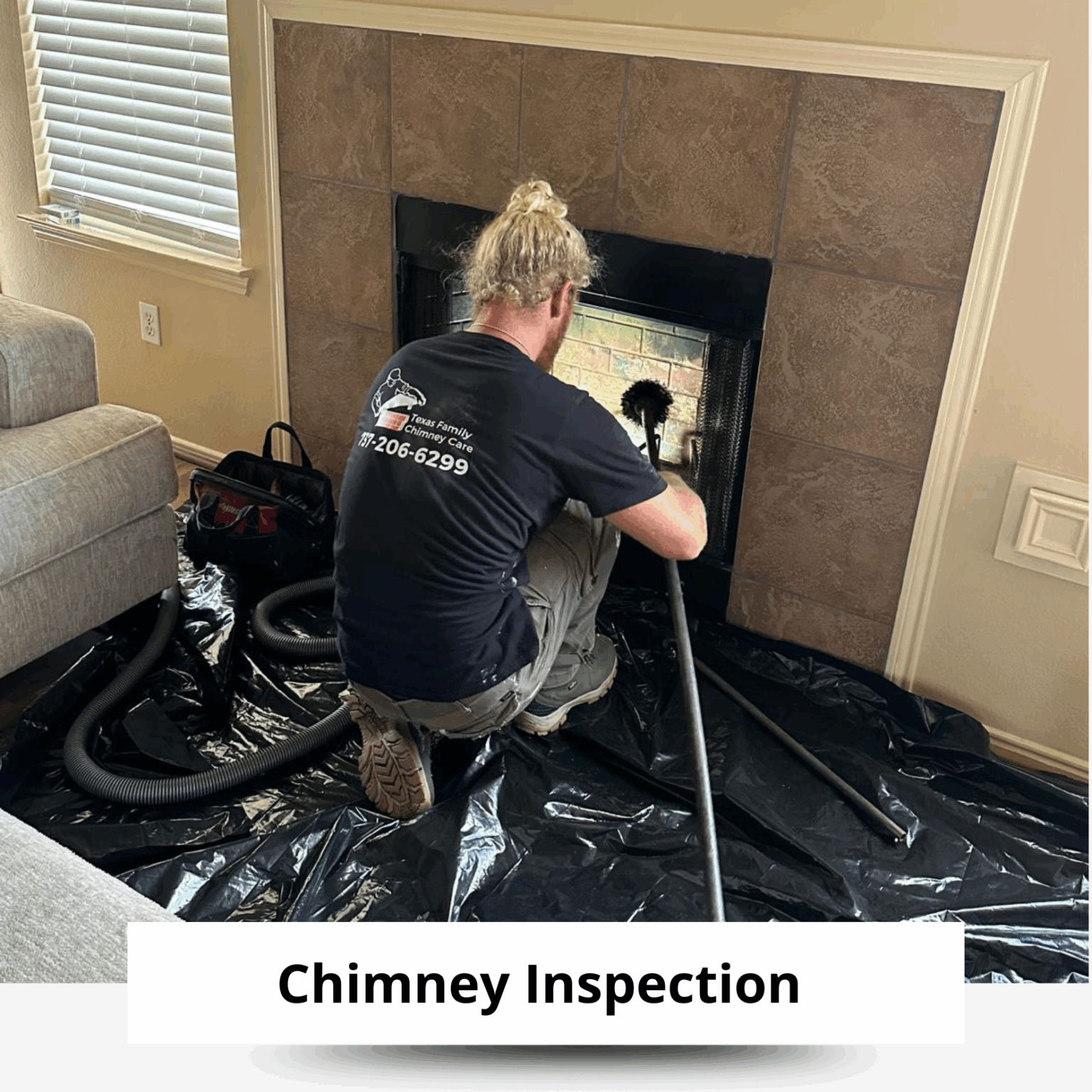
At Texas Family Chimney Care, one of the most common issues we see is damage caused by missing or inadequate chimney caps. It’s also one of the easiest and most affordable chimney problems to prevent. If you’re unsure whether your chimney is properly protected, scheduling a professional chimney inspection can quickly identify missing or damaged components.
The True Cost of Not Having a Chimney Cap
A quality chimney cap is an affordable investment. Compare that to the damage that can occur without one.
• Extensive water damage repairs
• Animal removal and cleanup
• Major chimney repairs from water intrusion
• Rusted damper and firebox replacement
We have seen homeowners spend thousands fixing damage that a simple chimney cap would have prevented.
Why Every Chimney Needs a Cap
1. Water Protection
Water is your chimney’s number one enemy. Rain pouring down an uncapped chimney can cause flue liner damage, brick spalling, rust on metal components, interior water damage, and strong odors during humid summers.
According to the Chimney Safety Institute of America, moisture intrusion is one of the most common causes of chimney deterioration.
A chimney cap helps prevent most water entry from above and protects the entire chimney system.
2. Animal Intrusion
An uncapped chimney looks like prime real estate for animals. Chimney swifts, squirrels, raccoons, bats, bees, and wasps frequently build nests inside chimneys.
Once animals move in, removal can become costly and time consuming. Installing a cap is far cheaper than dealing with animal removal and chimney cleaning afterward.
If animals or debris are suspected in your chimney, a professional chimney cleaning may be necessary to safely remove blockages.
3. Debris Blockages
Without a chimney cap, leaves, twigs, branches, and other wind-blown debris can easily enter the flue.
These materials can restrict airflow and increase the risk of chimney fires. The National Fire Protection Association recommends regular chimney inspections to ensure the flue remains clear and safe for use.
Houston’s Gulf winds make debris buildup particularly common.
4. Downdraft Prevention
A properly designed chimney cap helps deflect wind currents that can push smoke back into your home.
This improves chimney draft and reduces back-puffing issues, which can occur during strong wind conditions.
5. Spark Arrestor
For wood-burning fireplaces, the mesh on a chimney cap acts as a spark arrestor. It helps catch embers before they escape and land on your roof.
Many building codes require spark arrestors for wood-burning systems.
6. Energy Efficiency
An uncapped chimney can allow air to move freely between the inside and outside of your home.
Installing a chimney cap helps reduce unwanted airflow and improves energy efficiency by limiting heat loss.
Chimney Cap Options
Single-Flue Caps
• Most common for homes with one or two flues
• Attaches directly to the flue
• Easy to install and replace
Multi-Flue Caps
• Covers the entire chimney crown
• Protects multiple flues at once
• Provides better overall protection
Chimney Cap Materials
Stainless Steel (Most Popular)
• 20–30 year lifespan
• Highly resistant to rust
• Ideal for humid climates like Houston
Copper
• 50+ year lifespan
• Develops an attractive patina
• Often chosen for higher-end homes
Galvanized Steel
• Typically rusts within 5–10 years
• Not recommended for long-term durability
Aluminum
• Moderate durability
• Best suited for gas fireplace systems
Why Professional Installation Matters
Installing a chimney cap may seem simple, but professional installation ensures proper safety and performance.
Safety
Roof work can be dangerous. Our technicians use proper equipment and safety procedures.
Proper Fit
Incorrect sizing can cause caps to blow off during storms or allow water and animals to enter.
Code Compliance
Local codes specify mesh sizes and installation requirements.
Warranty Protection
Many chimney cap manufacturers require professional installation to maintain warranties.
Replace Your Chimney Cap If You Notice
• Rust or corrosion
• Broken or missing mesh
• Loose or tilted cap
• Water stains below the cap
• A cap that is more than 15–20 years old
Houston Chimney Maintenance Considerations
Houston homeowners face unique chimney challenges due to humidity, seasonal storms, and strong Gulf winds. These conditions can accelerate chimney deterioration and increase the likelihood of debris or animal intrusion.
Our Houston chimney service team regularly helps homeowners protect their chimneys with proper caps, inspections, and maintenance.
Protect Your Home Today. Don’t wait for water damage or animal intrusions to occur. Installing a chimney cap now can prevent thousands of dollars in future repairs.
Contact Texas Family Chimney Care today.
Serving Houston and the surrounding areas with over 15 years of experience.