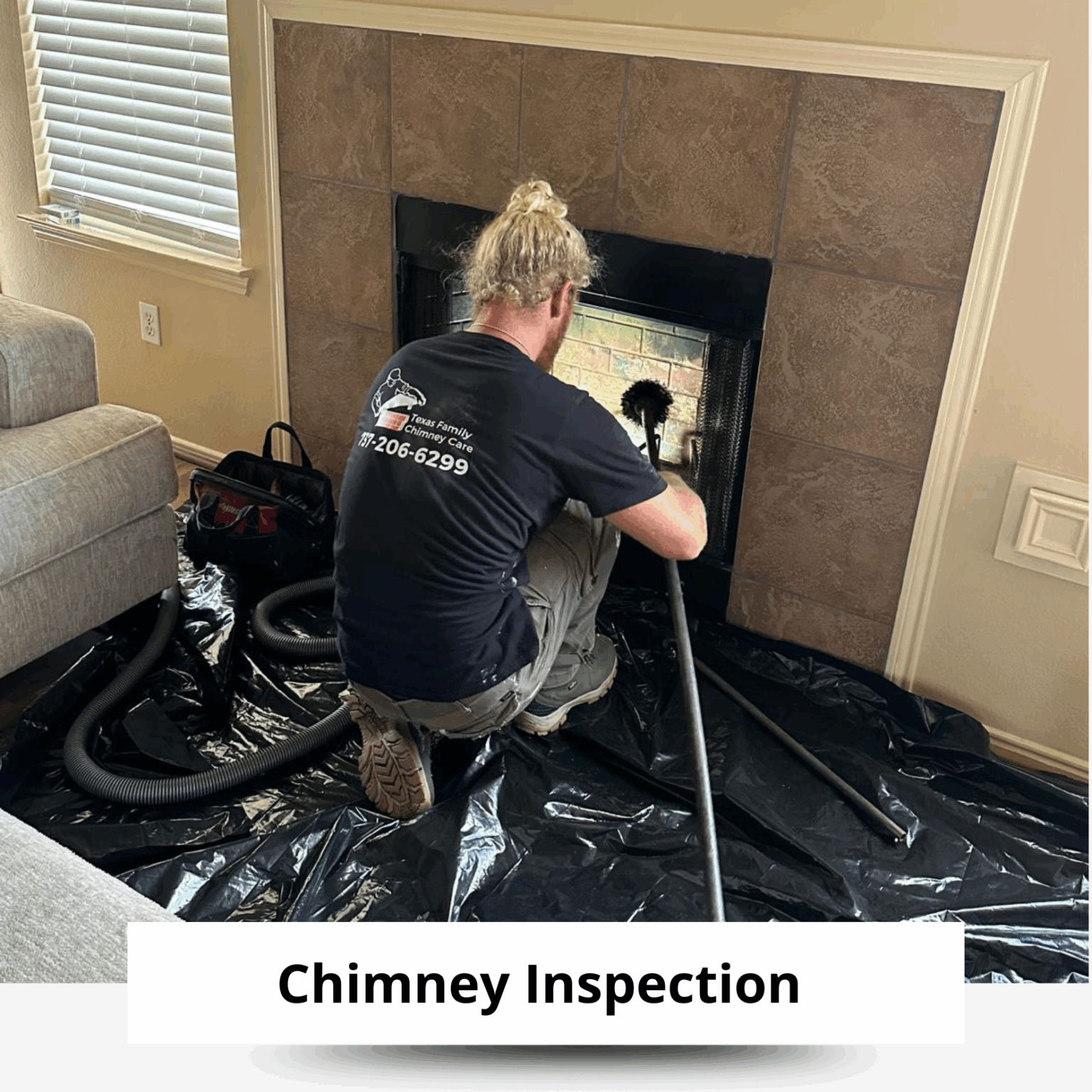
You schedule regular maintenance for your HVAC system, change your air filters, get your oil changed—but when was the last time you had your chimney inspected? If you’re drawing a blank, you’re not alone. Chimney inspections are one of the most overlooked aspects of home maintenance, yet they’re crucial for keeping your family safe and your home protected.
At Texas Family Chimney Care, we’ve conducted thousands of chimney inspections across Houston and Austin over the past 15 years. We’ve seen everything from minor maintenance issues to serious safety hazards that homeowners had no idea existed. If you are unsure about the condition of your fireplace, scheduling a professional chimney inspection is the best place to start.
This guide will walk you through everything you need to know about chimney inspections—what they are, why they matter, and how often you really need one.
Understanding Chimney Inspections
Think your chimney is just a brick tower on your roof? Think again.
Your chimney is actually a sophisticated ventilation system with multiple components working together to safely remove smoke, gases, and combustion byproducts from your home. Like any complex system, it needs regular inspection to ensure everything is working properly.
Why Regular Inspections Matter
Here’s what your chimney faces over time:
Creosote Buildup: When you burn wood, a tar-like substance called creosote accumulates inside your flue. This substance is extremely flammable and is one of the leading causes of chimney fires. According to the Safety Institute of America, creosote buildup is responsible for thousands of chimney fires every year.
Weather Damage: Houston and Austin weather can be brutal on chimneys. Rain, humidity, temperature swings, and occasional freezes cause deterioration of masonry, seals, and protective components.
Animal Intrusions: Birds (especially chimney swifts), squirrels, raccoons, and bees love nesting in chimneys. These nests can completely block your flue.
Structural Issues: Houses settle over time, which can cause cracks, misalignment, and other structural problems in your chimney.
Carbon Monoxide Risks: Blockages or damage can prevent dangerous gases like carbon monoxide from venting safely outside the home. The National Fire Protection Association recommends having chimneys inspected at least once a year to reduce these risks.
Regular inspections catch small issues before they become expensive repairs or serious safety hazards.
The bottom line? Regular inspections catch problems early—before they become expensive repairs or life-threatening hazards. According to the Chimney Safety Institute of America, failure to properly maintain chimneys is a leading cause of residential fires.
The Three Levels of Chimney Inspections
Not all chimney inspections are the same. The National Fire Protection Association (NFPA) defines three levels of inspections, each serving a different purpose. Let’s break them down.
Level 1 Inspection: Your Annual Checkup
This is the most common type of inspection and should be performed at least once a year.
You may need a Level 1 inspection if:
- You use the same fireplace or appliance as usual
- No major changes have been made to your system
- You have not experienced chimney performance issues
During this inspection, technicians check the visible portions of the chimney structure, flue, and venting system to ensure they are operating safely.
Level 2 Inspection: The Real Estate & Change Inspection
Level 2 inspections are more detailed and include video scanning of the flue interior. These inspections are commonly required during real estate transactions.
Situations that require a Level 2 inspection include:
- Buying or selling a home
- Installing a new fireplace or heating appliance
- After a chimney fire or severe weather event
This inspection can reveal hidden damage that may not be visible during a basic inspection.
Level 3 Inspection: The Invasive Investigation
A Level 3 inspection is the most detailed type and is only recommended when a serious hazard is suspected. In some cases, portions of the chimney structure may need to be opened to fully assess internal damage.
Fortunately, Level 3 inspections are rare and are only used when necessary for safety.
How Often Should You Have Your Chimney Inspected?
Experts recommend having your chimney inspected at least once a year, even if you rarely use your fireplace.
You should also schedule an inspection:
- Before the start of fireplace season
- After severe weather or storms
- After a chimney fire
- When buying or selling a home
Regular inspections can also identify when it’s time for services like chimney cleaning, which removes creosote and debris from your flue.
If you live in the Houston area, working with a local provider that understands the region’s humidity and weather conditions is important. Our Houston chimney service team regularly helps homeowners prevent costly damage before it happens.
Schedule Your Chimney Inspection Today
With more than 15 years of experience serving Houston and Austin homeowners, Texas Family Chimney Care focuses on safety, transparency, and thorough inspections. Our technicians use professional inspection tools and cameras to identify issues that may otherwise go unnoticed.
If it has been more than a year since your last inspection, now is the time to schedule one.
Call (832) 870-3118 to book your chimney inspection today.