Hurricane chimney protection in Houston is something every homeowner needs to think about before June 1 — not after a storm is already in the Gulf. Every year, thousands of Houston homeowners discover post-hurricane chimney damage that could have been prevented with a simple pre-season inspection. Proper hurricane chimney protection means addressing your cap, flashing, crown, and masonry before winds arrive — because a failing chimney can allow hundreds of gallons of water into your home during a tropical storm, causing mold, structural damage, and repairs that cost far more than the original fix.
At Texas Family Chimney Care, we’ve inspected and repaired chimneys throughout Houston, Sugar Land, Katy, and The Woodlands after every major storm season. This guide covers everything you need to do before hurricane season begins to protect your chimney, your home, and your family.
Hurricane Chimney Protection Houston: The 6-Step Pre-Season Plan
Follow these six steps every spring to make sure your chimney can handle whatever the Gulf Coast throws at it.
Why Chimneys Are Especially Vulnerable During Hurricanes
Your chimney sits higher than almost anything else on your roof. That makes it the first target for hurricane-force winds, flying debris, and driving rain. Here’s what storms can do:
- High winds: Gusts of 74+ mph (and often 100+ mph during major storms) can tear off chimney caps, topple loose masonry, and crack mortar joints.
- Driving rain: Tropical storms can dump 20+ inches of rain in 24 hours. Water forces its way into any gap — flashing, crown cracks, or an uncapped flue.
- Debris impact: Branches and debris become projectiles in hurricane winds. Direct strikes can crack chimney crowns and break brick or mortar.
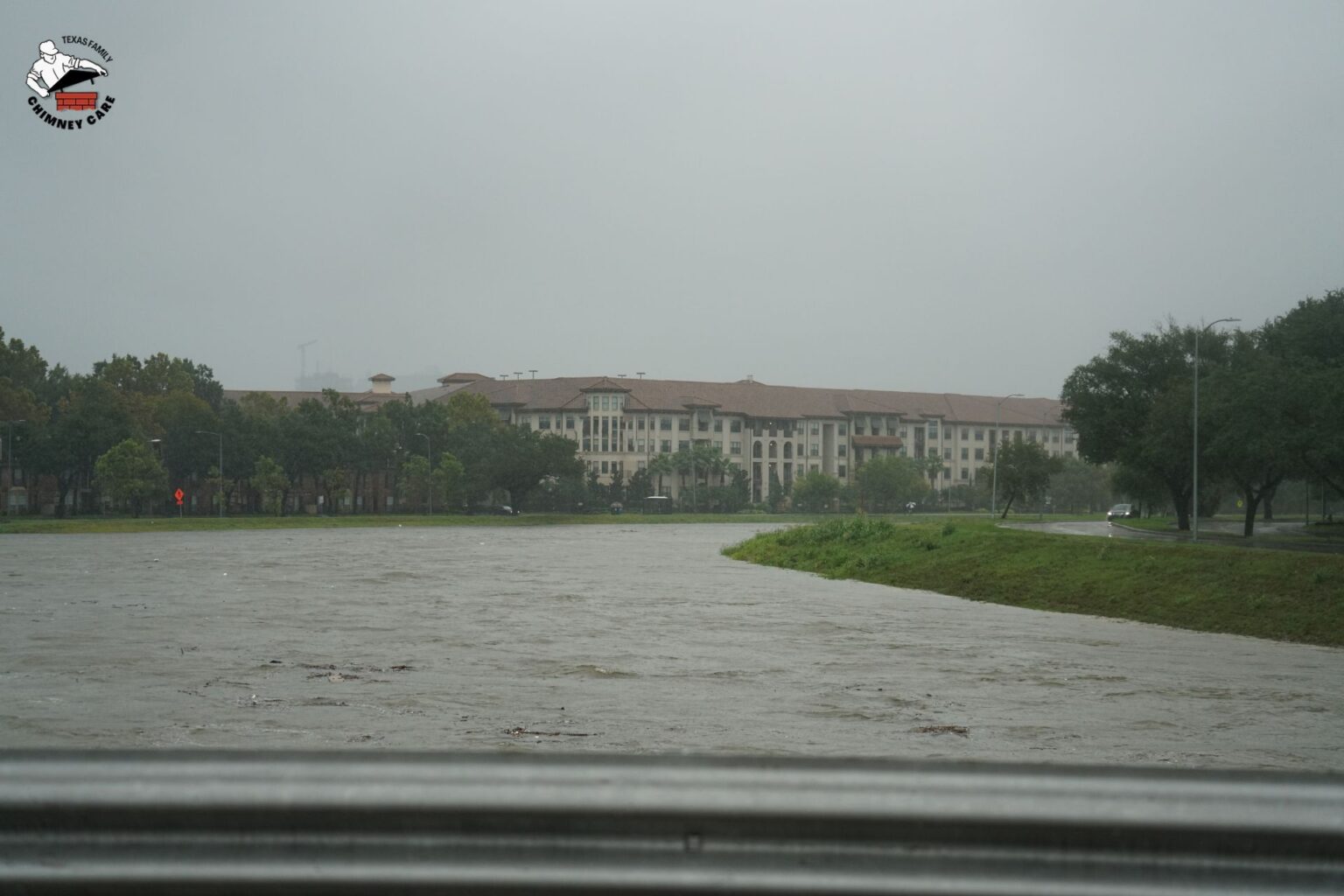
- Storm surge & flooding: Though less direct, flooding can saturate the base of your chimney, compromising your firebox, damper, and lower masonry.
Step 1: Schedule a Pre-Season Chimney Inspection
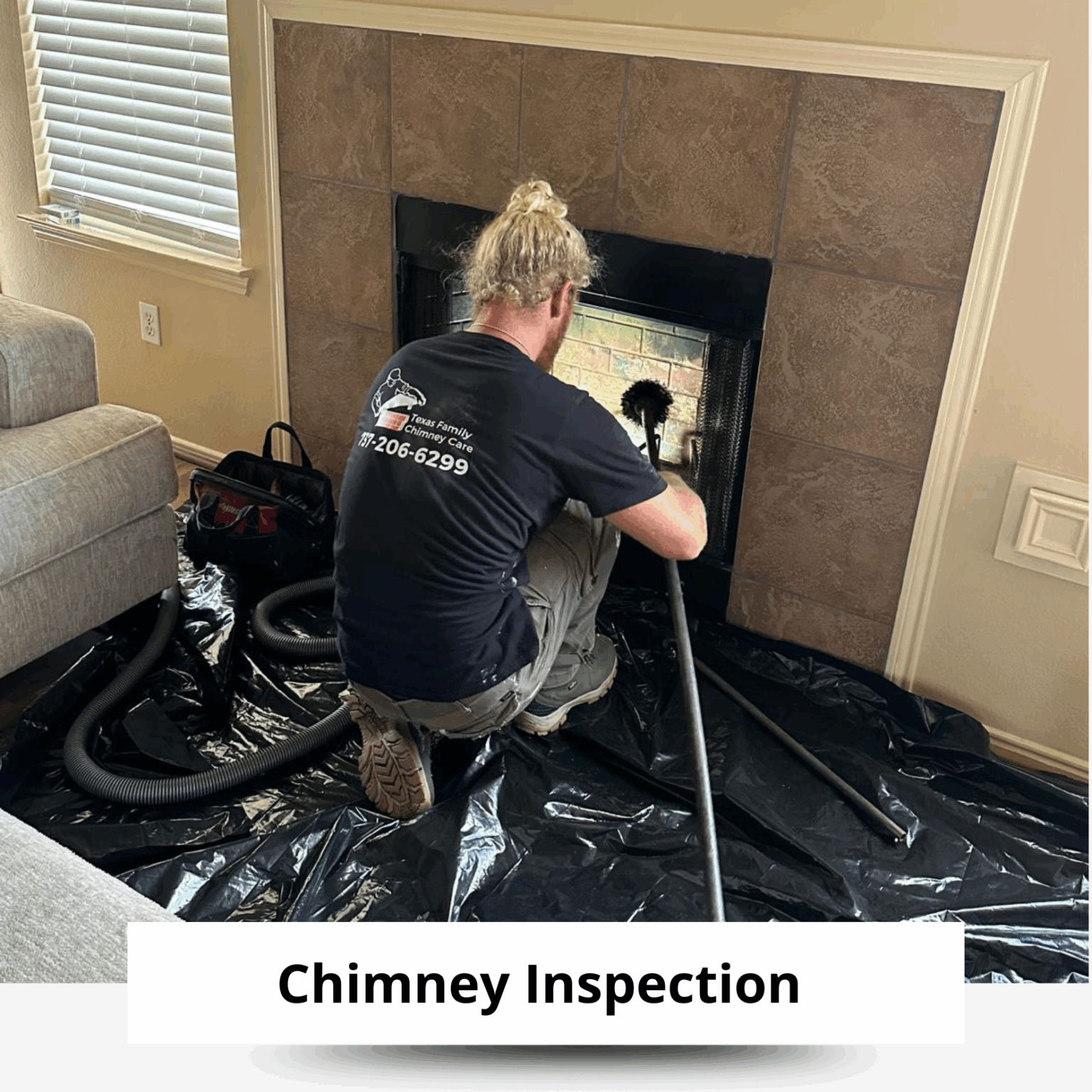
The most important step in hurricane chimney protection is a professional chimney inspection before hurricane season starts. The Chimney Safety Institute of America (CSIA) recommends a Level 2 inspection — including a video camera assessment of the flue liner — after any severe weather event. Done pre-season, it identifies:
- Cracked or deteriorated chimney crown
- Loose or missing mortar joints in the brick or stone
- Damaged or missing chimney cap
- Compromised flashing (the metal seal between the chimney and the roof)
- Internal cracks in the flue liner
- Existing water intrusion or staining
Book your inspection now. Texas Family Chimney Care offers pre-storm inspections throughout Houston.
Call (832) 870-3118.
Step 2: Install or Upgrade Your Chimney Cap
If you only do one thing for hurricane chimney protection, install a heavy-duty chimney cap. A chimney cap sits over the top of your flue and serves as the primary barrier against rain, debris, birds, and wind downdrafts.
For Houston’s tropical storm environment, we recommend:
- Rainwater entering the flue
- Wind-driven debris clogging the chimney
- Birds and animals nesting (especially Chimney Swifts, common in Houston)
- Wind downdrafts push cold air and odors into your home
Not all chimney caps are created equal. For Houston’s tropical storm environment, we recommend:
- Stainless steel or copper caps: Aluminum caps can bend or fail in high winds. Stainless steel is the gold standard.
- Outside-mount caps: These cover the entire top of the chimney, offering better protection than single-flue caps.
- High-wind rated caps: Some are specifically tested and rated for hurricane conditions.
Step 3: Inspect and Repair Your Chimney Flashing
Chimney flashing is the metal layer that seals the joint between your chimney and your roof — and the number one source of chimney-related water leaks in Houston homes. Our fireplace leak repair service addresses flashing failures before they become a full water intrusion emergency during a storm. Signs your flashing needs attention:
- Visible gaps or lifting at the chimney-roof joint
- Rust stains on the chimney or ceiling below
- Water stains inside your fireplace or firebox
- Peeling paint near the fireplace on interior walls
| 💧 Did You Know?
Chimney flashing failures account for a significant portion of roof-leak calls following Houston’s tropical storms. A $300–500 flashing repair can prevent $10,000+ in water damage. |
Step 4: Check Your Chimney Crown
The chimney crown is the concrete or mortar slab that caps the chimney structure (as opposed to the chimney cap — the crown is the concrete base the cap sits on). Over time, Houston’s heat, humidity, and freeze-thaw cycles crack chimney crowns.
A cracked crown allows water to seep into the chimney masonry, and during a hurricane, it becomes a major point of water intrusion. Cracks should be sealed or the crown replaced before storm season.
Step 5: Clear Vegetation and Debris Around Your Chimney
Tree branches hanging over or near your chimney become a serious hazard during tropical storms. High winds can snap branches directly onto your chimney, cracking the crown or knocking off brickwork.
- Trim any tree branches within 10 feet of your chimney
- Clear your roof of leaves and debris that can dam up around the chimney base
- Ensure gutters are clear — overflowing water accelerates chimney masonry deterioration
Step 6: Know What to Do Immediately After a Storm
Even with the best hurricane chimney protection in place, a major storm can cause damage. Here’s your post-storm checklist:
- Visual exterior inspection: Look for visible cracks, missing brickwork, or a displaced chimney cap (do this safely from the ground).
- Check inside the firebox: Look for fallen debris, daylight visible through the flue, or signs of water intrusion.
- Do NOT use your fireplace Until a professional has inspected it post-storm. Structural damage you can’t see may make it unsafe.
- Document damage with photos: You’ll need this for any homeowner’s insurance claim.
- Call Texas Family Chimney Care for priority post-storm inspections throughout Houston.
Does Homeowner’s Insurance Cover Hurricane Chimney Damage?
In most cases, yes — if the damage is caused by a sudden storm event (wind, debris, hail). Standard homeowner’s policies in Texas typically cover:
- Wind and storm damage to the chimney structure
- Water intrusion directly caused by a storm event
- Damage from falling trees or debris
However, policies often exclude damage caused by deferred maintenance (pre-existing cracks, failing mortar, old flashing). This is another reason pre-storm inspections matter — they document the condition of your chimney before a storm, which can support your insurance claim.
Houston’s Hurricane History: Why Chimney Protection Matters
Houston has weathered some of the most powerful storms in U.S. history — including Hurricane Harvey (2017), Hurricane Ike (2008), and Tropical Storm Allison (2001). After Harvey alone, Texas Family Chimney Care received hundreds of calls from homeowners who discovered chimney damage weeks after the storm had passed — damage that proper hurricane chimney protection could have prevented.
| 🏠 Protect Your Home Before Hurricane Season. Texas Family Chimney Care offers pre-storm chimney inspections throughout Houston, Sugar Land, Katy, The Woodlands, and surrounding areas. Call (832) 870-3118 to schedule your inspection today. |
Frequently Asked Questions
How much does a pre-hurricane chimney inspection cost in Houston?
A standard chimney inspection typically ranges from $100–$250 in the Houston area, depending on the type of inspection. A Level 2 inspection (camera inspection) costs more but is recommended for thorough pre-storm assessments.
When should I schedule my chimney inspection before hurricane season?
Ideally, May or early June — before June 1, the official start of Atlantic hurricane season. This gives you time to complete any repairs before storms develop.
Can I install a chimney cap myself?
Single-flue caps can technically be DIY projects, but improper installation can fail in high winds. For Houston’s hurricane environment, professional installation with the right hardware is strongly recommended.
What if my chimney has no fireplace?
Many Houston homes have decorative or non-functioning chimneys. These still need caps and maintenance — a capped but unsealed decorative chimney is just as vulnerable to water intrusion as an active one.
| About Texas Family Chimney Care
Texas Family Chimney Care is Houston’s trusted chimney sweep and fireplace repair company, serving the greater Houston area for over 15 years. We specialize in chimney inspections, repairs, cleaning, and installation. Call us at (832) 870-3118 |