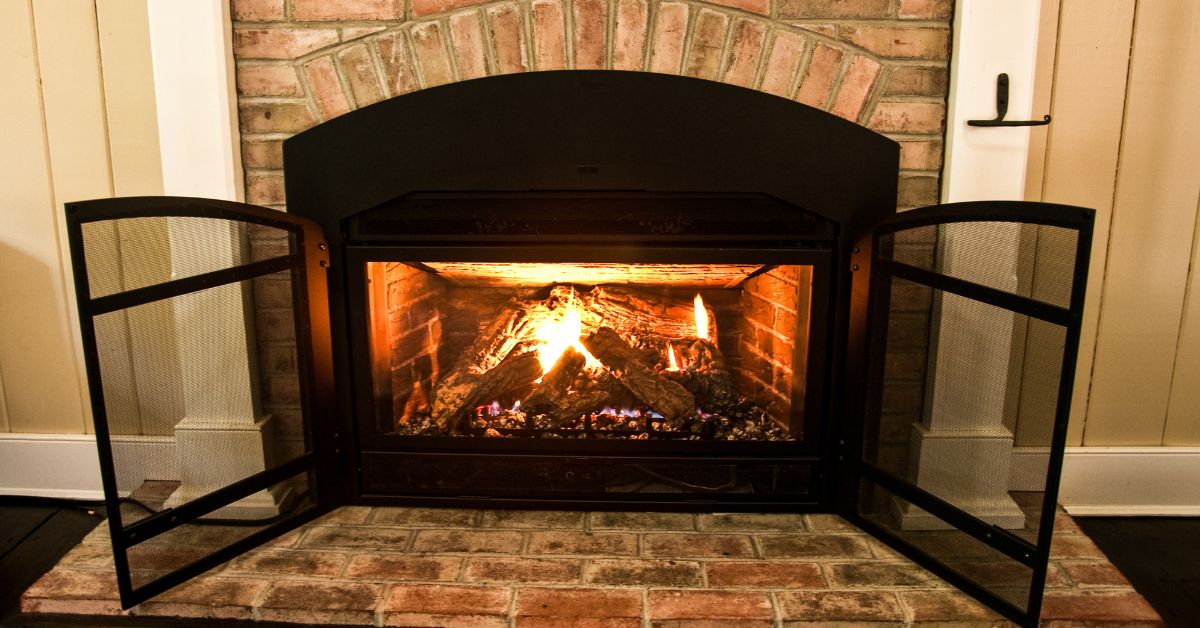
Gas log systems offer a similar charm and warmth to traditional fireplaces. However, you don’t have to haul wood inside, clean up ashes, or struggle to get the fire going. Many homeowners prefer a low-maintenance and easy-to-use gas log fireplace.
While these types of fireplaces are convenient, there are safety precautions you should take. Natural gas fireplaces are great, but can be dangerous if neglected. This guide will provide you with information on maintaining safety and performing regular maintenance for gas log systems.
Why Gas Log Safety Matters
Heating equipment, such as fireplaces, is the leading cause of fires in U.S. homes. As a result, you must consider the safety and maintenance of your gas fireplace. Many homeowners believe gas log systems don’t require much attention, but neglecting them can lead to serious issues.
That is why regular maintenance is critical when owning a gas fireplace. You should have regular inspections done by a professional to prevent these issues from going unnoticed. Fortunately, there are steps you can take to reduce wear and tear on these systems and keep them in good condition in the long term.
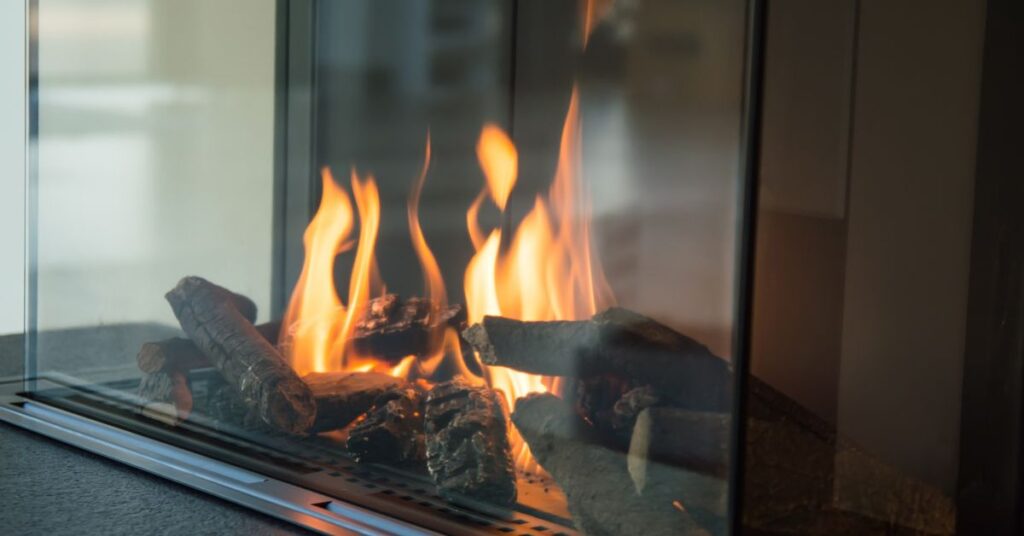
Common Gas Log System Problems
Gas log systems will develop issues despite having regular maintenance. So, the most common gas log system problems include:
- Pilot light that won’t stay lit: When pilot lights won’t stay lit, it’s often an indication of a dirty thermocouple or clogged pilot line.
- Uneven or weak flames: This may signal blocked burner ports or incorrect gas pressure.
- Soot buildup: Over time, soot accumulates on the logs or glass doors, typically due to inadequate airflow or improper combustion.
- Strange odors: When operating the fireplace, smelling strange odors could indicate a gas leak or dust burning off.
How to Maintain Your Gas Log System
Maintaining a fireplace is vital for the safety of your home and loved ones. Fortunately, there are steps you can take to extend the lifespan of your gas log system and maintain safety.
Here’s how you can maintain your gas log system:
- Schedule annual inspections with a certified technician to check all connections, valves, and burners.
- Clean the logs gently with a soft brush or cloth to remove dust and soot. Avoid using water or harsh chemicals that can damage the ceramic finish.
- Check for gas leaks by watching for unusual smells or hissing sounds, and never attempt to repair leaks yourself.
- Inspect carbon monoxide detectors near your fireplace to ensure they’re working properly.
- Test the ignition and pilot light at the start of the season to confirm smooth operation.
When to Schedule Gas Log Maintenance
The best time to schedule gas log maintenance is before the colder months. That way, you don’t have to wait to start using your gas fireplace. So, contact a professional in early fall or late summer to inspect the system. They’ll catch any issues with your gas fireplace, such as soot buildup, unusual noises, leaks, or ignition problems.
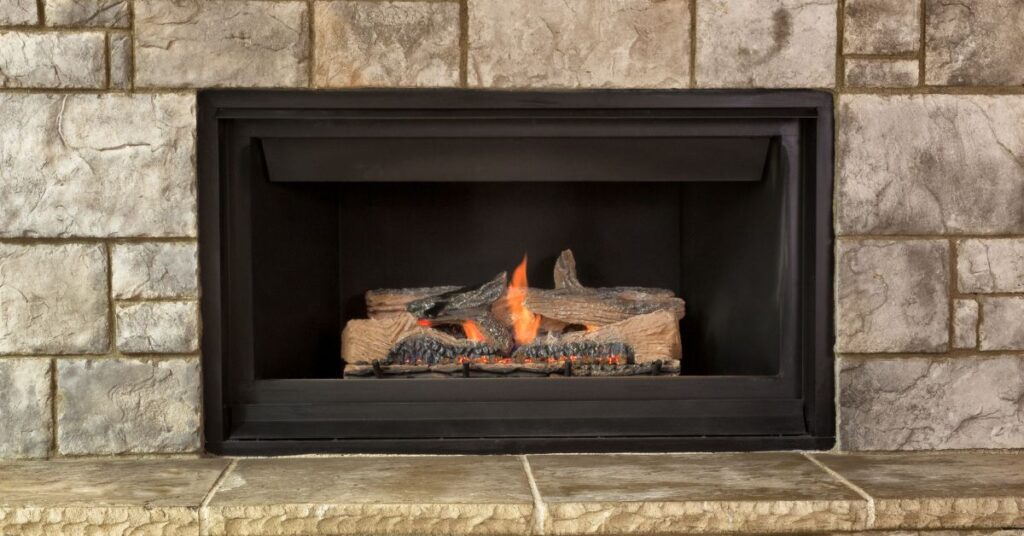
Gas Fireplace Safety Tips for Homeowners
In addition to maintenance, safety is a critical component of your fireplace. Follow these safety tips to protect your home and your loved ones:
- Keep flammable objects, like curtains, furniture, or décor, at least three feet away.
- Never burn paper, wood, or other materials in a gas log system.
- Ensure the vent or damper is open during operation (if required for your model).
- Don’t cover air vents or intake grilles that help your fireplace breathe.
- Turn off the gas supply immediately if you smell gas and contact a professional.
Contact a Gas Fireplace Professional
Gas log systems are reliable, but they should always be serviced by professionals who understand their components and safety standards. At Texas Family Chimney Care, our certified technicians provide full inspections, cleaning, and repairs for gas fireplaces across Austin and Houston. We’ll make sure your system is running safely and efficiently before the cold weather arrives.
Contact our team today to schedule your gas log system inspection.