While chimney caps are only a small part of your entire chimney system, they play a critical role in protecting your home. Weather, animals, and debris can take a toll on your chimney, which is why the cap is there to protect it.
In cities like Austin and Houston, where winter can bring heavy rain, strong winds, and fluctuating temperatures, having the right protection for your chimney is essential. That’s why chimney cap installation and maintenance are necessary services we’re happy to provide at Texas Family Chimney Care.
Why Does a Chimney Cap in the Winter Matter?
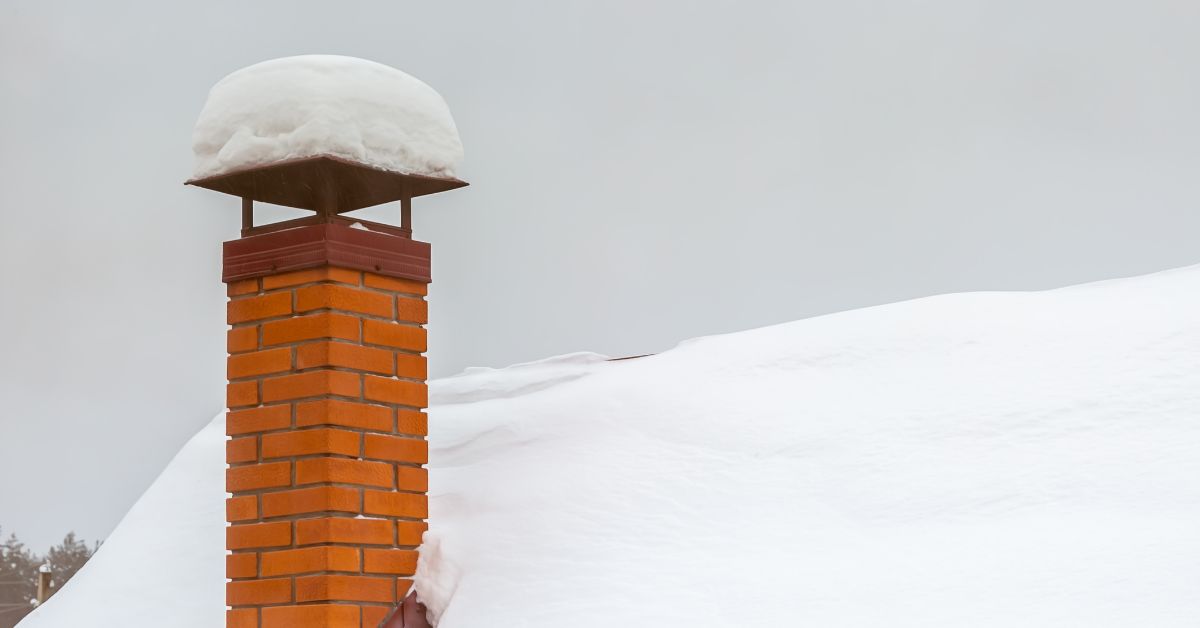
A chimney cap is a metal covering that sits at the top of your chimney. Its purpose is to keep the elements, wildlife, and debris from entering the flue, while allowing smoke to escape. Some homeowners may refer to them as chimney “winter covers,” but caps are important for every season.
During the winter, chimney caps provide the following:
- Prevent water damage: Stops weathering effects on your chimney. Rain, sleet, and snow can enter the chimney, where moisture can freeze, expand, and cause cracks in the masonry.
- Block cold drafts: Reduces the amount of cold air that seeps into your home, helping your heating system run more efficiently.
- Keep out animals: Stops birds, squirrels, and other wildlife from nesting inside your chimney during cold weather.
- Prevent debris buildup: Keeps leaves, twigs, and other outdoor debris from clogging the flue, reducing the risk of blockages and improving airflow.
Above all, chimney caps in the winter help prolong the life of your chimney system. So, ensure you have a durable chimney cap installed by a professional.
What Happens to Chimneys in the Winter?
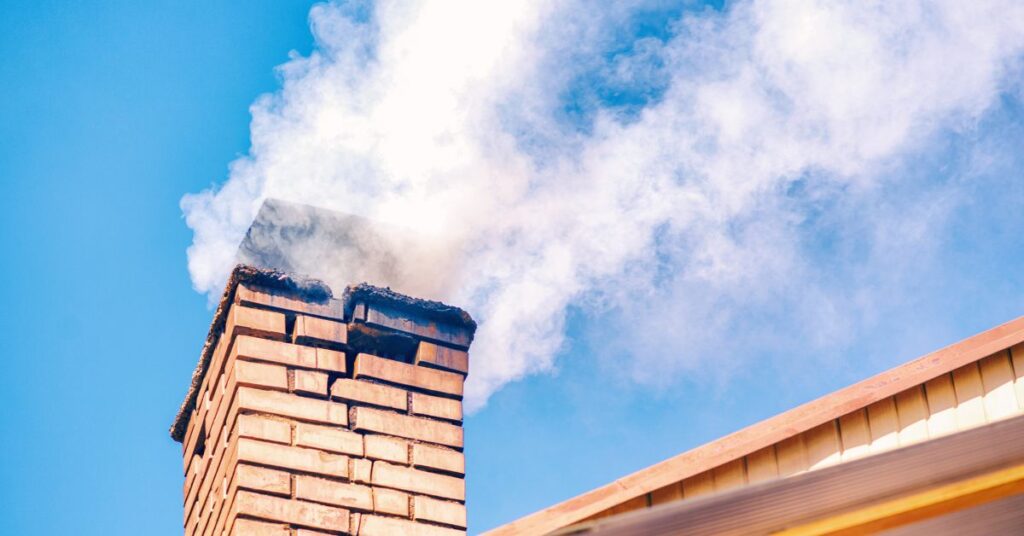
Winter can put your chimney through a lot of wear and tear if it is not adequately protected. Rain, sleet, or snow can enter an uncovered flue, leading to moisture damage, rusting dampers, or weakened masonry. Additionally, temperature swings can cause existing cracks to expand, while cold air drafts draw warm air out of your home, reducing its efficiency.
Another common issue in winter is animal intrusion. Birds, squirrels, and raccoons often see chimneys as a cozy refuge. Without a chimney cap, these unwelcome guests can build nests, block airflow, and create fire hazards. In short, a chimney left uncovered in winter is a serious risk to your home’s safety.
How to Prepare Your Chimney for Winter
Your chimney cap will play a single role in protecting your chimney during the winter. There are other preparation steps you should take to get your chimney ready for the colder months.
Here’s what you should do to prepare your chimney for winter:
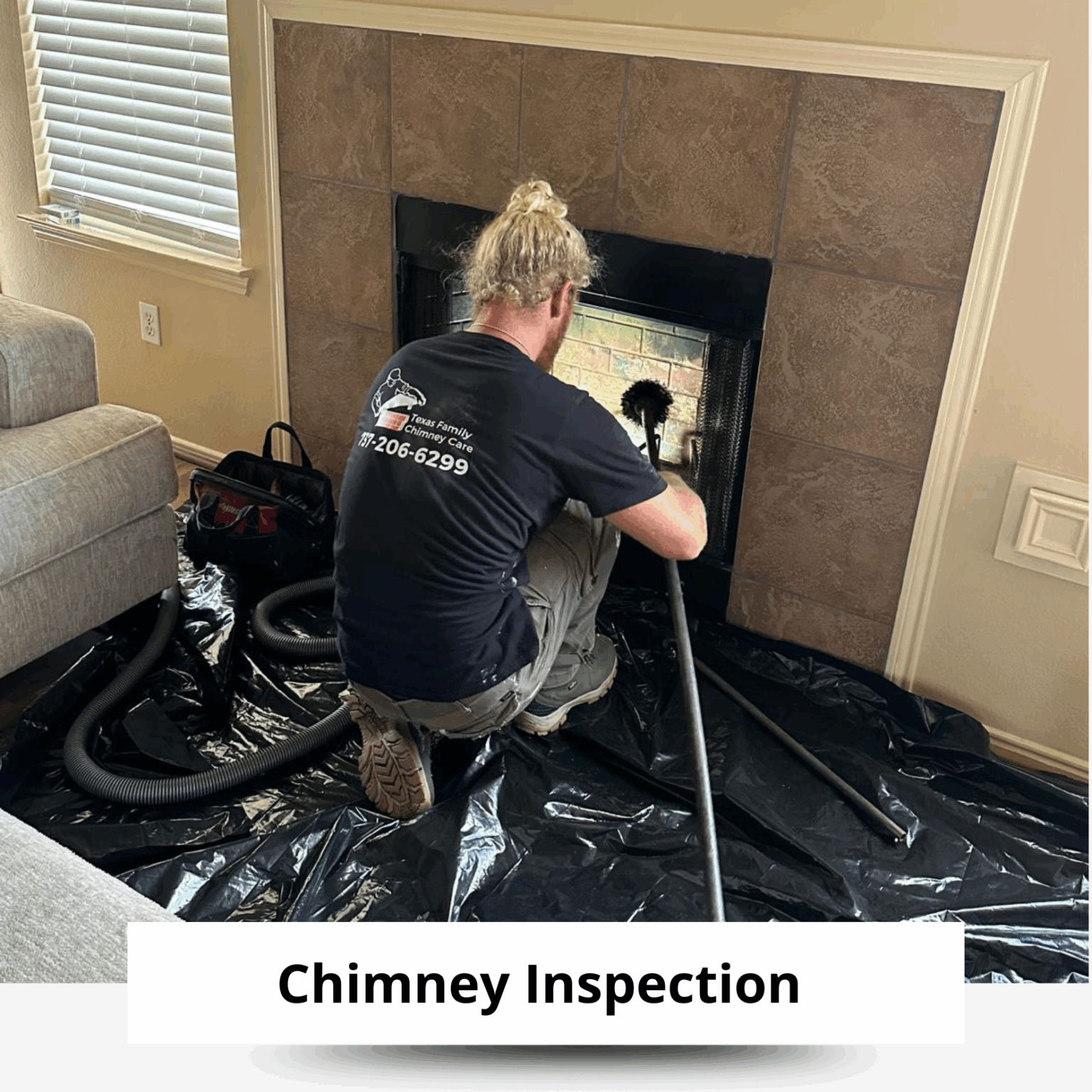
- Schedule a professional inspection: Detect cracks, leaks, or signs of wear before they escalate into larger problems.
- Get a thorough cleaning: Remove soot and creosote buildup to lower fire risk when using your fireplace.
- Seal with a damper: A tight-sealing damper, paired with a chimney cap, is the best way to close your chimney for winter and keep out drafts, moisture, and wildlife.
- Address needed repairs early: Fix masonry cracks or damaged components now to avoid costly winter chimney repair later in the season.
Why Hire a Chimney Professional
While some choose to DIY their chimney cap installation or repair, it’s not recommended. The CDC states that over 97% of roofing and ladder accidents occur at home. Instead of risking your well-being, contact a professional for your chimney cap repair and installation.
An experienced chimney technician knows how to navigate your roof without injury while identifying chimney issues that you may miss. They also have the experience to properly install or repair your chimney cap. Improper installation can lead to poor airflow and the elements getting in. So, contact a professional chimney company for the job.
Prepare Your Chimney Cap for Winter
If you’re in Austin or Houston and want to ensure your chimney is ready for the winter, Texas Family Chimney Care is here to help! Give us a call today or contact our team to learn more about how we can help your chimney.